Faculty of Law and Administration
University of Warsaw

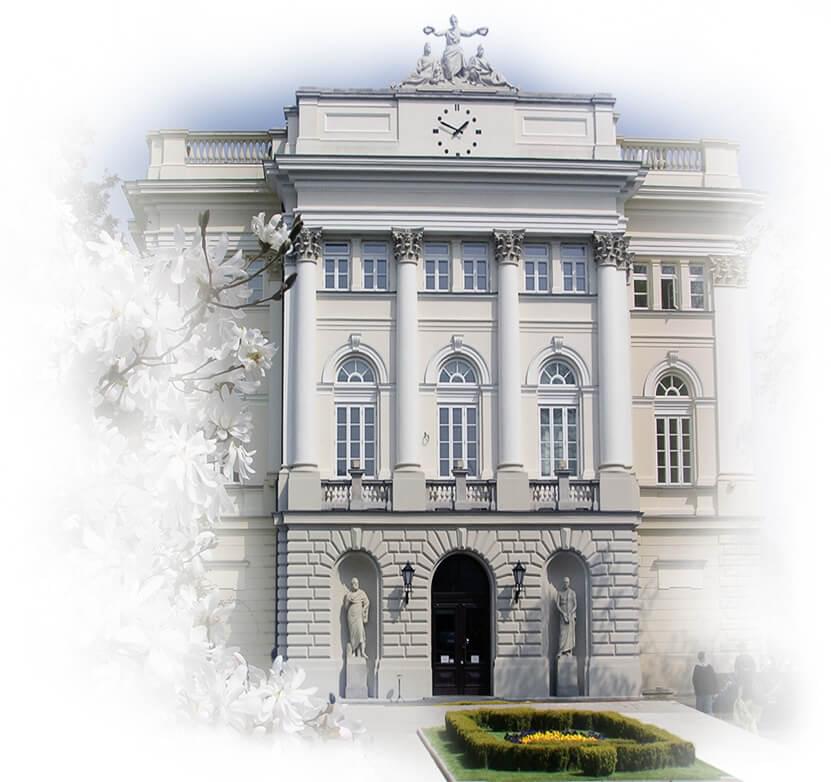
WPiA
Would you like to study at a faculty that will provide you with the highest level of education and a good start to your future,
while also offering a wide range of opportunities to develop your interests?
Find out what the Faculty of Law and Administration at the University of Warsaw has to offer and find your place to study.
History of the Faculty
Origins
The traditions of the Faculty of Law and Administration, the oldest faculty of the University of Warsaw, date back to the 18th century and the curriculum of the Corps of Cadets. Plans to establish a university that would also educate lawyers were put forward at the time of the First Partition, when the Commission of National Education issued a number of professorial appointments. However, financial and housing difficulties prevented the idea from being realised.
The idea was revived during the period when Poland lost its statehood. In 1808, the School of Law of the Duchy of Warsaw was established—mainly to serve the needs of the judiciary and administration which were being created from scratch. This date is regarded as the beginning of the Faculty’s history. On October 1, 1808, Feliks Łubieński, the then Minister of Justice, who was patronizing the organization of the school, emphasized its role as a centre for educating young people. In 1811, through a merger with the School of Administrative Sciences, a two-faculty university was created: the School of Law and Administration. Its governance was entrusted to a Supervisory Board, which included, among others, Stanisław
Staszic and Samuel Bogumił Linde. The course lasted three years (or four in the case of combined programmes at both
faculties). In 1814, the office of Dean was introduced, and the distinguished legal historian Jan Wincenty Bandtki was
appointed to this position. The School continued to operate without interruption even during the war with Russia.
Transformed into the Faculty of Law and Administration on the basis of the 1816 founding charter, it became part of the
Royal University of Warsaw. The University formally opened on 14 May 1818. Among the Faculty’s professors were the eminent economist and penitentiary Fryderyk Skarbek, Wacław Aleksander Maciejowski, who lectured on Roman law and historical and legal subjects, and finally, the Faculty’s own alumnus and the youngest criminal law researcher in the group – Romuald Hube. The Faculty actively participated in the academic life of Warsaw, among other things by publishing the journal Themis Polska (1828–1831). During its 14 years of existence, the Faculty of Law and Administration produced 1,880 graduates,
including 757 who received master’s degrees.
Main School
During the reforms of the 1860s, the Russian authorities agreed to establish the Main School in 1862. The Faculty of Law and Administration became the largest of its four faculties.
Its structure did not divide studies into legal and administrative tracks; only when taking the final master’s examinations it was possible to choose one of the fields offered. The group of professors at that time included, among others: criminal law scholars Stanisław Budziński and Walenty Miklaszewski, Roman law scholar Teodor Dydyński, civil law scholar Władysław Holewiński, and administrative law scholar Antoni Okolski. Over the course of seven years, 318 master’s degrees were awarded at the Faculty of Law and Administration (out of a total of 1,314 enrolled students).
University of Warsaw
At the turn of 1869/1870, the purely Russian Imperial University of Warsaw replaced the Main School. Despite the failed attempts to establish a Polish university in 1905–1907, work on this project was resumed already during the wartime in 1914. Professors Miklaszewski and Holewiński, among others, participated in developing the concept of legal studies. On November 15, 1915, the University of Warsaw was opened under the authority of the German occupation authorities. Its first faculty (until the launch of the Faculty of Theology) was the Faculty of Law and State Sciences—renamed in 1917/18 the Faculty of Law and Political Sciences.
In 1918, steps were taken to fully stabilize the University. The scope and procedure for taking examinations were defined for the Faculty of Law. In January 1919, the Head of State signed a decree appointing the first body of professors of the University of Warsaw.
The number of students in the interwar period was very large (admissions ranged from 2,000 to 3,000), with approximately
30% of those enrolled in the first year completing their studies. In 1933, the Faculty limited the number of new admissions to 1,000 by introducing a secondary school leaving examination
competition.
The Faculty operated under very difficult housing conditions. It was not until 1935/36 that it was given a newly constructed Faculty of Law building, which included the Auditorium Maximum.
World War II
In September 1939, the Faculty of Law’s seminary building was destroyed by the fire. The German army occupied the Auditorium Maximum as well as the surviving premises of the Civil Law Seminary. As early as October, in response to Dean Rybarski’s inquiry, the heads of institutes declared that classes could resume once substitute premises were secured. At the end of October, however, the Germans banned the operations of higher education institutions, and organizing underground teaching required new methods.
From the autumn of 1940, classes for senior students were held under the supervision of Dean Rybarski. For those wishing to begin their studies, courses were organized together with professors displaced from Poznań as part of the University of the Western Territories, where from January 1, 1941, Prof. Rafacz served as Dean of the Faculty of Law. When Rybarski was arrested in May 1941, teaching was temporarily suspended, but by July 1941 it resumed under the guidance of Prof. Rafacz as Dean of the UW Faculty of Law. The law courses of the University of the Western Territories were gradually transferred to the University of Warsaw, so that by 1943 the Faculty of Law was fully functioning within the University of Warsaw and the
number of students steadily increased. It is estimated that approximately 1,000 students studied during the occupation (a list based on passed exams includes 600 names).
Small groups were formed in various locations across the city, and professors repeated classes on a given subject several times. Each subject ended with an examination, but organizing examinations for all subjects in a given year on a single day was impossible under occupation. The Faculty of Law was the only faculty where Faculty Council met regularly, and alongside teaching, professors also pursued scholarly work, preparing textbooks. The Warsaw Uprising interrupted the course of teaching, and Dean Rafacz was killed in August 1944, executed by the Germans.
After 1945
In July 1945, the Faculty of Law resumed classes, continuing the previous curriculum (though examinations for each subject were still taken separately). The number of professors steadily increased. By 1950, all chairs were fully staffed, and new ones were created. From 1968 onward, all chairs were reorganized as institutes’ departments, and since then the Faculty has operated within the structure of six Institutes.
Changes began to be introduced in the organization of studies after World War II, starting from 1948. From that year, three study tracks were offered for third-year students: civil law, criminology, and administration. In 1949, a two-cycle system was introduced—the first cycle lasted three years, was vocational in nature, and entitled graduates to pursue master’s studies in their chosen specialization (with limited places available). This two-cycle structure was abolished in 1951/52, and four-year
studies were reinstated. Since the 1980s, studies have lasted five years and have ended with the defence of a master’s thesis.
Since 1992, the Faculty has undertaken the task of increasing student admissions. As the only one in Poland, it introduced both full-time and so-called evening studies under a unified programme, removing rigid timetabling, introducing lectures, and replacing traditional exercises with “consultations” in groups of varying size (depending on room availability), open to participants from both study programmes.
The last 30 years have been a period of continuous development for the Faculty.
During this time, new buildings have been acquired, major renovations of existing facilities have been carried out, the academic staff has grown significantly, and the number of students has increased. In the 2016/2017 academic year, a comprehensive reform of the Law programme was implemented, introducing innovative solutions on a nationwide scale, including so-called specialization blocks. The method of teaching procedures was also revised.
The full history of the Faculty is available on the “About Us” page.
Opportunities for Learning

over 200
research workers
including over 100 are professors and habilitated doctors.
Classes taught by outstanding specialists and legal practitioners:





10,000
specialized books
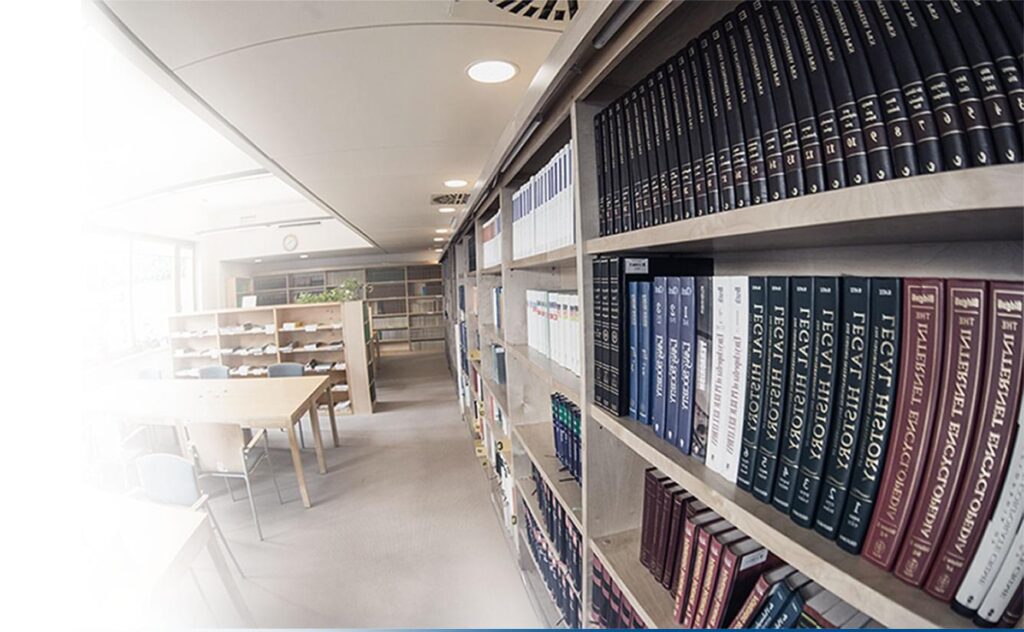
The richest law library in Poland –
over 10,000 specialist books, access
to online collections and foreign databases.

7 schools
of foreign law
American law
Taught by professors from Emory School of Law and GSU College of Law
English Law
Taught by lecturers from Juris Angliae Scientia, Cambridge, and other British universities
French Law
Taught by French professors and lawyers from Université de Poitiers
Spanish Law
Taught by scholars from Universidad de Castilla-La Mancha
German Law
Taught by German professors and practitioners from the University of Bonn
Italian Law
Taught by professors from Università di Catania and Università Cattolica del Sacro Cuore in Milan
Chinese Law
Taught by Chinese professors and practitioners from Beijing University
A Proven Choice
Top positions 

Top positions in the most prestigious rankings – both in terms of job prospects after graduation and success rates in professional training admission exams. Outstanding results achieved by both full-time and part-time students!
4 Nobel Prize Winners
Among alumni and former students of the Faculty
Henryk Sienkiewicz, Czesław Miłosz, Leonid Hurwicz, Menachem Begin
1st place
2017 Ranking of Academic Universities
2nd place
Law 2017
2nd place
2017 Ranking of Law Faculties by Dziennik Gazeta Prawna
Group 201-205
International QS Ranking 2018 (the Faculty of Law and Administration of the University of Warsaw was the highest-ranked Polish law faculty)
4500 students
currently study at our Faculty
Among the graduates of our Faculty are people holding high positions in state institutions.
An Investment in the Future
“
Studying at the University of Warsaw Faculty of Law and Administration, while developing your own interests, ensures excellent career opportunities after graduation.
”A strong start on the job market – Warsaw is home to the most important state institutions, the largest law firms, and major national and international corporations. It is up to you to decide which path you will follow!”
“A wide range of career and development opportunities: Legal pupilages, Business, Corporations, Government and local administration, Diplomacy, Politics, NGOs, Media, Doctoral studies.
Openness to the World
Erasmus+
and Erasmus Internships
Opportunity to take part in international studies or professional internships abroad. Erasmus+ is an exchange programme for students and staff between universities in the European Union and four members of the European Economic Area: Iceland, Norway, Liechtenstein, and Switzerland.
Study or work abroad with Erasmus+ programme, available to students of the Faculty of Law and Administration at the University of Warsaw.

More Than Just Learning
“
Studies at the University of Warsaw Faculty of Law and Administration, begin in Lidzbark! Integration camps and trips, Regular club events, Sports competitions and charity campaigns, Studying is not just about learning!
”Every year, a now iconic integration trip is organized for new students of the Faculty of Law and Administration at the University of Warsaw. One of the most active Student Councils in Poland hosts and co-hosts dozens of events, parties, and initiatives each year. Join the students of the Faculty of Law and Administration at the University of Warsaw – and join the Student Council!”
Amazing people with whom you can build friendships that last a lifetime and certainly for the duration of your studies.”
A comfortable place to study
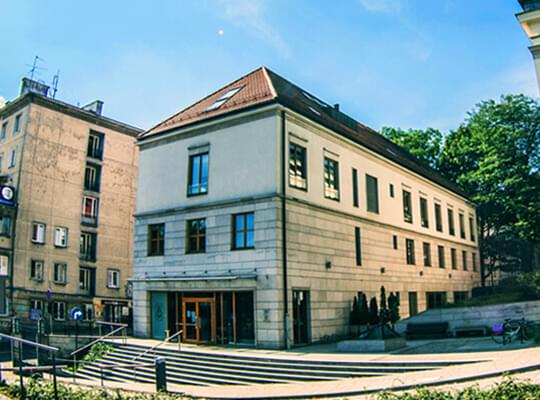
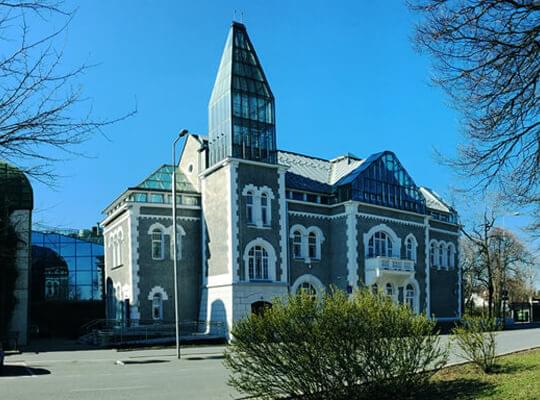
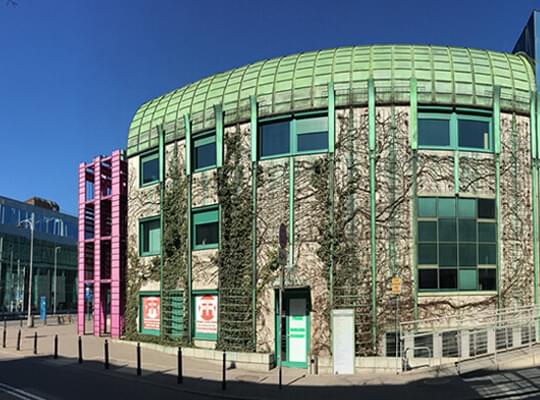
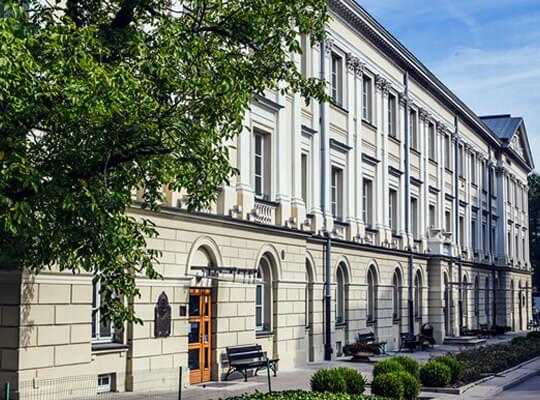
The Faculty of Law and Administration currently occupies four modern buildings located on and around the unique Central Campus of the University of Warsaw – the only one of its kind in the country. All buildings, facilities, and lecture halls have been fully renovated, equipped with modern electronic systems, and adapted to the needs of people with disabilities. Most classes are held on Krakowskie Przedmieście or in the vicinity of the University of Warsaw Library on Lipowa Street, both easily accessible by the second metro line or by bus. Moving between the different buildings takes students and staff no more than 10–15 minutes. The Faculty also has teaching facilities at Charles de Gaulle Roundabout.